
The Miniature Animal Trend
On Arnold Schwarzenegger’s Los Angeles property, there is a miniature donkey named Lulu, a miniature pony/horse named Whiskey, a pig named Schnelly, and a few dogs. He hadn't actually wanted the donkey; his girlfriend, Heather Milligan, got it so the pony wouldn't be lonely.
This isn't unique to Arnold. Demand for "hobby farms" and miniature farm animals has risen significantly in the US and Europe since the pandemic. According to 2024 reports by the Associated Press and Newsweek, breeders say sales of mini goats, mini donkeys, and mini cows are on the rise. Records from the Miniature Dairy Goat Association show the number of mini goats jumped by approximately 73 percent—reaching roughly 8,330 in a single year—compared to the 12 months prior to July 2021. Prices for mini donkeys can reach thousands of dollars at some farms, while mini cows range from $2,000 to $30,000. Rural retailers like Tractor Supply have expanded their lines of goat and pig treats.
In France, too, "goatfluencer" accounts have filled order books for years to come; *Le Monde* has reported on customers attempting to keep mini goats in their Paris apartments.
There are two factors behind this. First, it represents the next step up from hobby farming that began with chickens: someone with an acre of land might also acquire a mini goat or mini donkey—animals that require less feed and space and are viewed as "family members." Second is the influence of TikTok and Instagram. Blue-eyed dwarf goats and donkeys standing just 60 centimeters tall garner millions of views; People buy them after being captivated by videos, only to surrender them to shelters once they face the reality of their care needs.
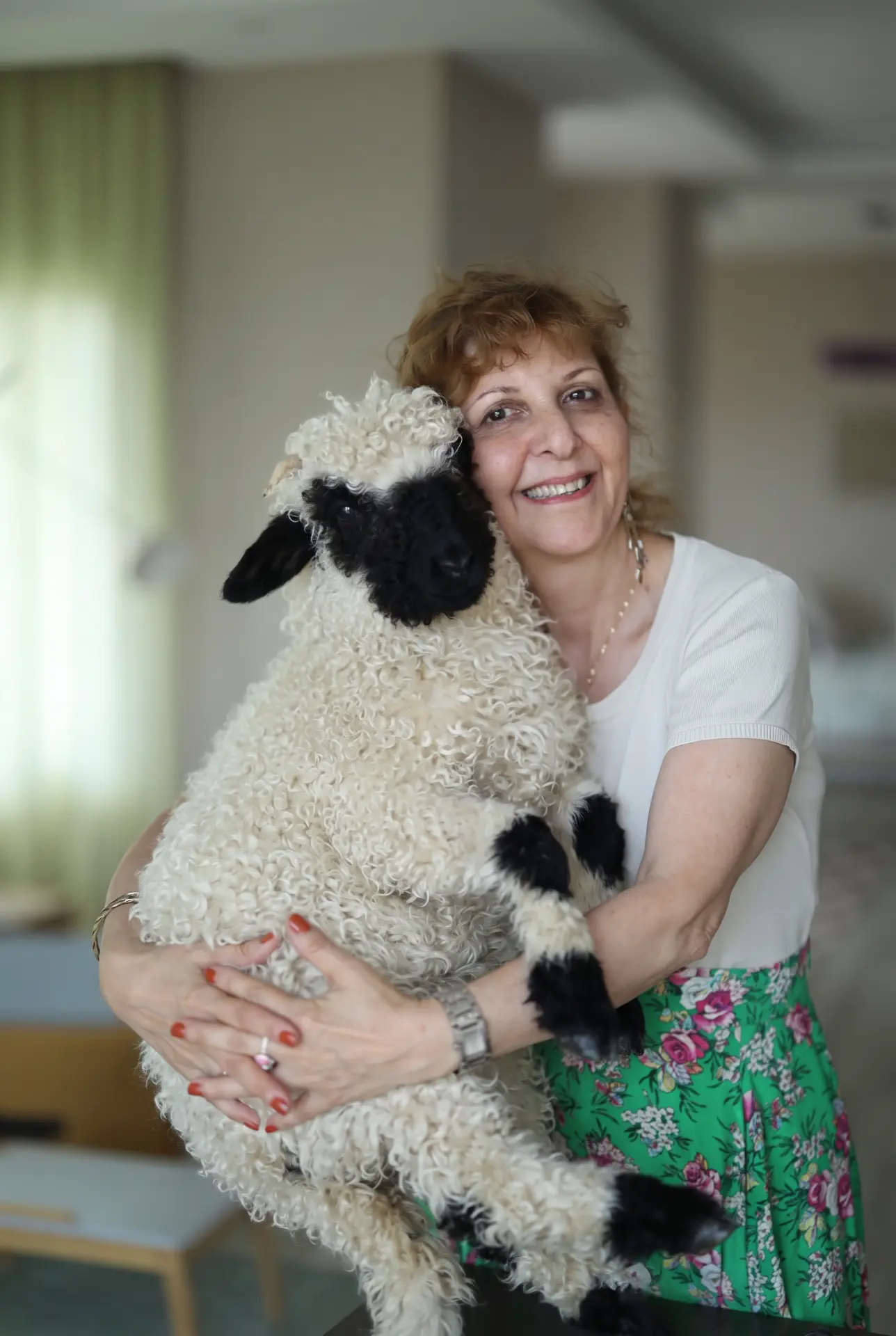
Then there is the sheep version of this same trend: the Valais Blacknose. It is a Swiss breed with a jet-black face and a "teddy bear" appearance; Jeremy Clarkson’s girlfriend even acquired some to breed and sell. It is partly a matter of hobbies and visibility. The Valais Blacknose (*Wallis Schwarznasenschaf*) is a breed from the Swiss canton of Valais—featuring a jet-black face and legs, a white body, and spiral horns—that is marketed as a "teddy bear." In other words, it follows a trajectory similar to that of donkeys and pygmy goats: it starts as a local working or cultural animal, is deemed cute on the internet, shifts into the realm of hobbies and "pets" in wealthy nations, and sees a surge in demand after a famous farm brings it into the spotlight.